Expert-Grup: Tax Evasion Cannot Be Solved by Fines and Tax Audits, but by Promoting Voluntary Tax Compliance Based on Behavioural Approaches

Automatically translated summary. The full article is available in Romanian.
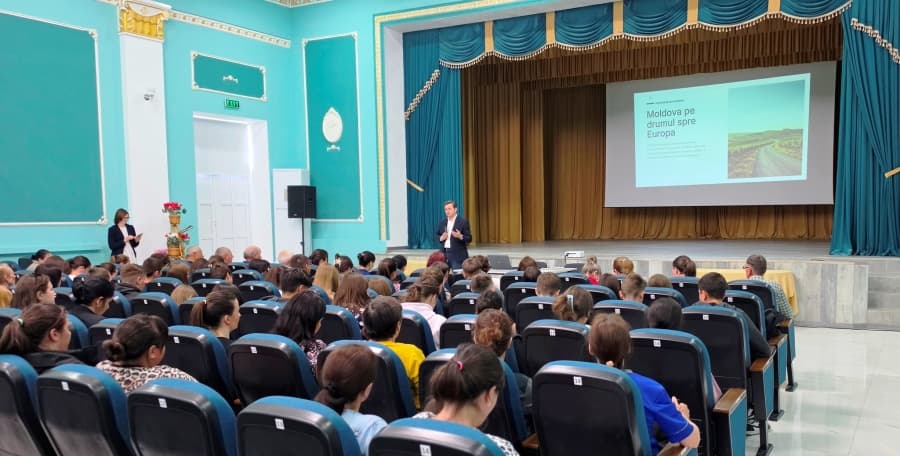
The Independent Think Tank “Expert-Grup” presented a study on tax evasion in the Republic of Moldova and ways to combat it using behavioural approaches. It was prepared with the Academy of Economic Studies of Moldova and the experimental economics laboratory in Montpellier, France, and was presented at a public event.
Vadim Gumene noted that the shadow economy fell from 34.6% in 2000 to 20.6%, but has shown a worrying trend since 2007, hurting tax revenue, GDP and other macroeconomic indicators. Economic experiments with over 500 people in Moldova and France showed that fines and tax audits have no essential impact on tax evasion.
Instead, the state should spread positive information about tax compliance, since people who see others paying taxes tend to pay too, and introduce whistleblowing. The experiments also challenged the argument of low tax morality and a “national specificity”: Moldovans are willing to comply if institutions are functional and legitimate. In the long term, authorities should improve institutional quality through transparency, collective decision-making tools and less corruption. Adrian Lupușor said earlier policies neglected behavioural factors.
Other articles in the same category
See all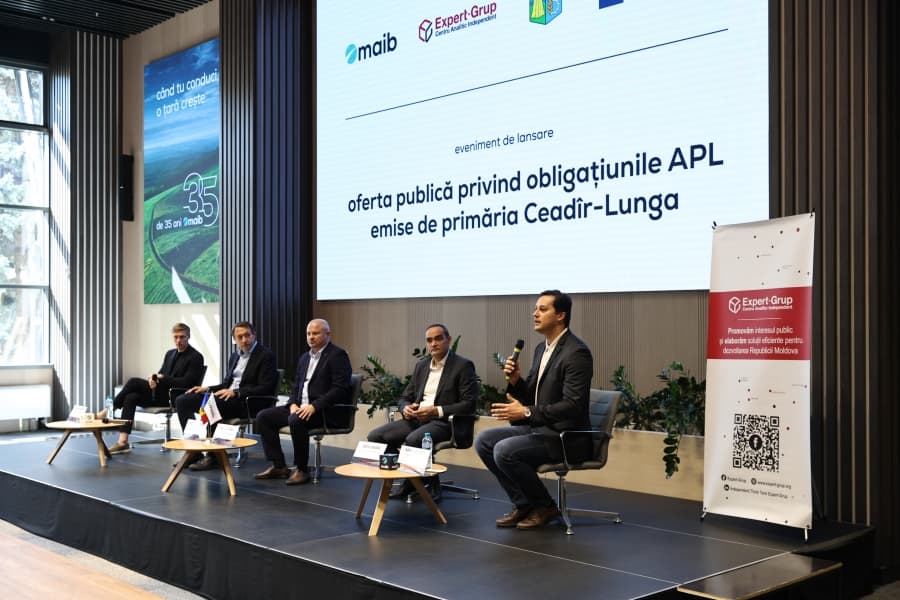
Ceadîr-Lunga Launches Its Third Municipal Bond Issue, Raising MDL 8 Million for Local Projects

24 Municipalities from the Republic of Moldova Complete a Study Visit to the Kingdom of the Netherlands
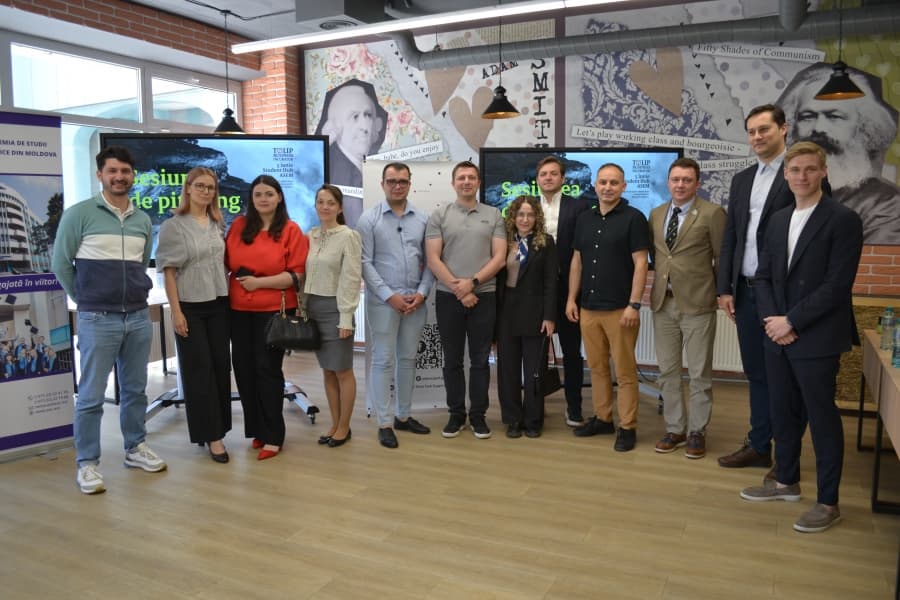
Winners of Tulip Business Incubator 3.0 Announced: Five Businesses to Receive EUR 5,000 Grants and Mentoring