Adoption of European Standards and the Situation in the Agri-Food Sector: Challenges and Opportunities
Automatically translated summary. The full text is available in Romanian.
The study “Adoption of European Standards and the Situation in the Agri-Food Sector: Challenges and Opportunities” analyses the opportunities for implementing European standards in the Republic of Moldova. It was produced by the Independent Think Tank “Expert-Grup” together with the ADEPT Association for Participatory Democracy.
European standards are technical requirements adopted by European standardisation bodies. They aim to protect human life and health and the environment, help remove technical barriers to international trade, and unify and harmonise the rules that businesses must apply.
So far, the Republic of Moldova has adopted about 27,000 national standards. The great majority, 18,000, are interstate standards (GOST), which were the main category applied in the USSR. About 7,000 are European standards adopted from European bodies, and another 2,300 were adopted from ISO, the International Organisation for Standardisation. A still smaller number are original Moldovan standards. The study was supported financially by the Soros-Moldova Foundation (Good Governance Programme), under the project “EU-Moldova Relations – Monitoring Progress in the Context of the European Neighbourhood Policy”.
Recent publications from Rural development
See all
Moldova’s Territorial-Administrative Reform Must Be Linked to a Broad Fiscal Decentralisation Reform: Statistical and Econometric Calculations

Position Paper: Prospects for Local Public Administration Reform
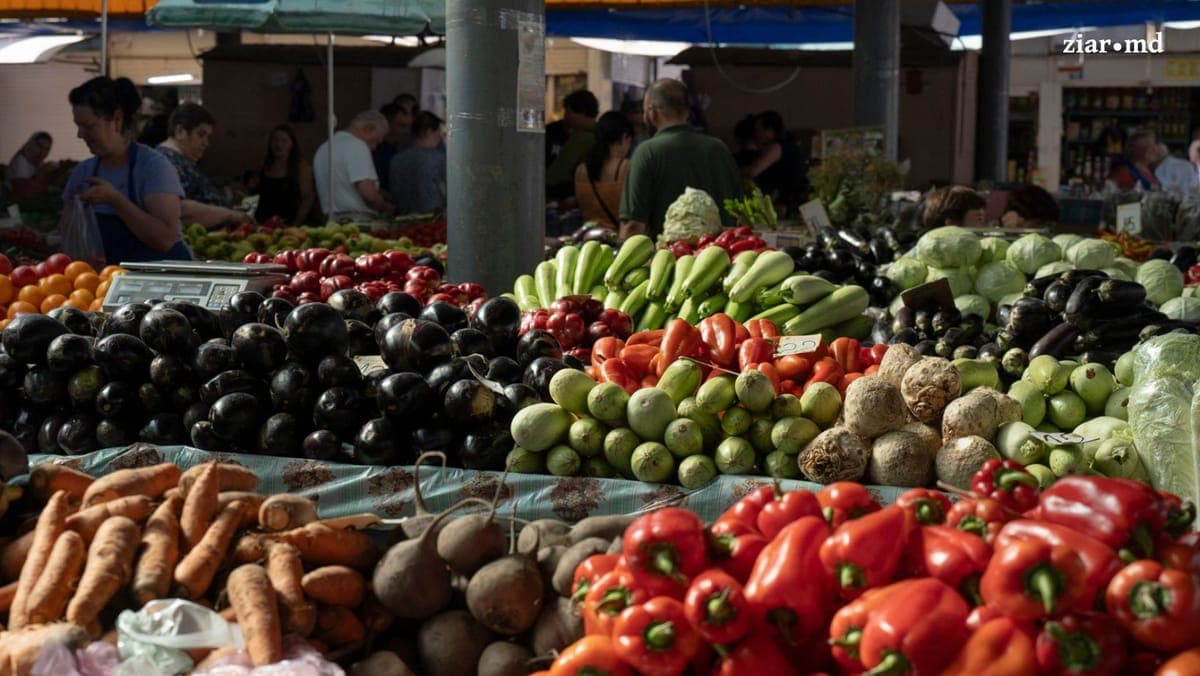
Between Bureaucracy and Market Access: How (In)accessible Are Moldova's Markets for Household Producers?