How We Fight Disinformation: A Behavioural Approach
Authors

Rustam Romaniuc
Associate Expert
Automatically translated summary. The full text is available in Romanian.
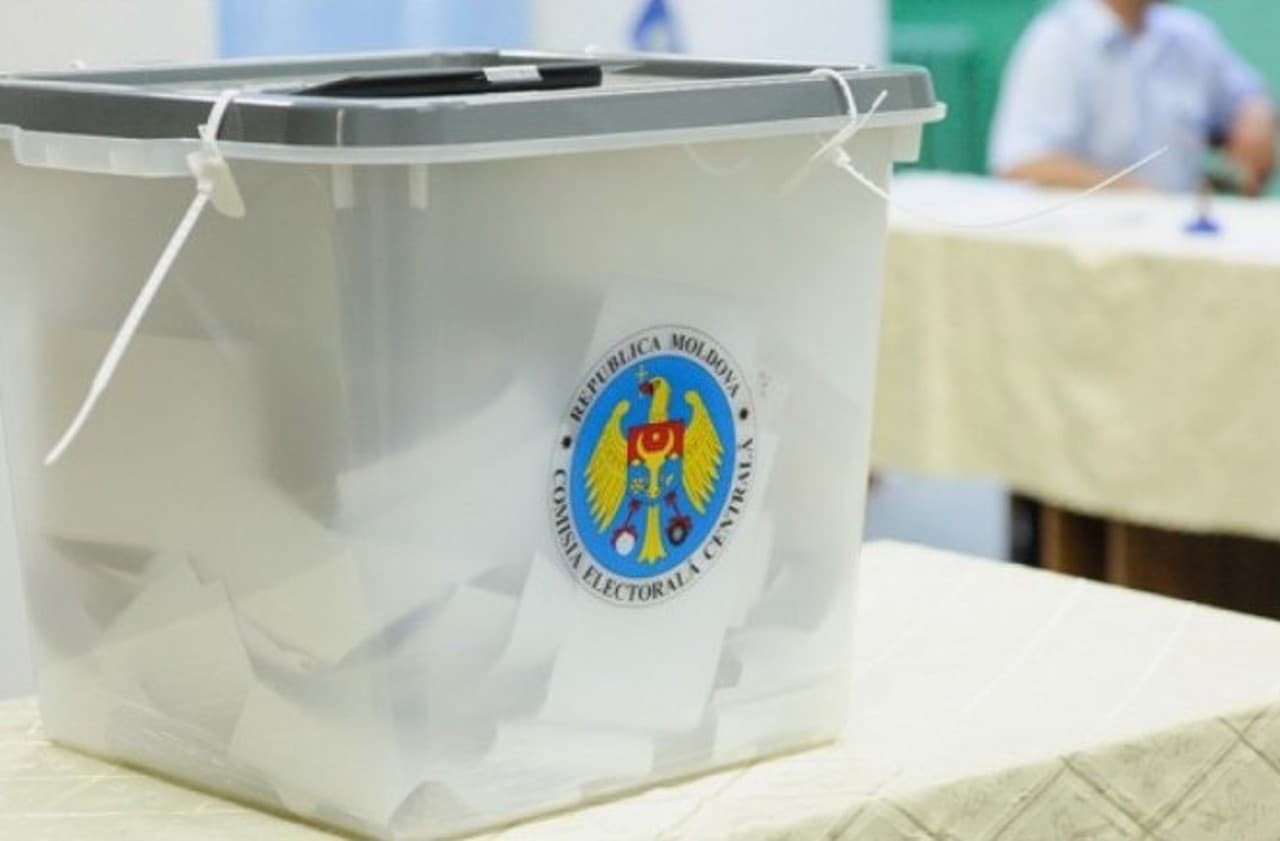
Moldovans vote on 20 October to elect a president and decide on a constitutional amendment for EU accession, amid a Russian-backed hybrid war in which disinformation is central. This article discusses how Moldovan authorities can use behavioural science to help citizens distinguish false information from reliable information.
A Council of Europe delegation proposed that the government raise public awareness of the Kremlin-backed disinformation campaign. The article argues that this is not enough: traditional information campaigns have been shown to have no effect on people's ability to tell false from true information.
A study in Nature Human Behavior, summarising 81 articles, points to cheaper and more effective strategies. One is a national campaign with simple advice such as “check the source” or “be sceptical of headlines”. Another is training young people, for example through a University of Cambridge game in which participants act as “propaganda bosses”, which improved their ability to spot false information and dubious “experts”. Such a programme could be introduced in Moldovan schools and universities. Because strategies that worked elsewhere may behave differently in Moldova, they should first be tested on a small scale with robust scientific methods. Authorities should invest more time and resources in understanding the psychological mechanisms involved.
Recent publications from Other
See all
The socio-economic encyclopedia of Moldova, first edition
Position Paper on Options for Improving Postal Voting after the Parliamentary Elections of 28 September 2025
Analysis – Electoral Promises: Between Populism and Feasibility