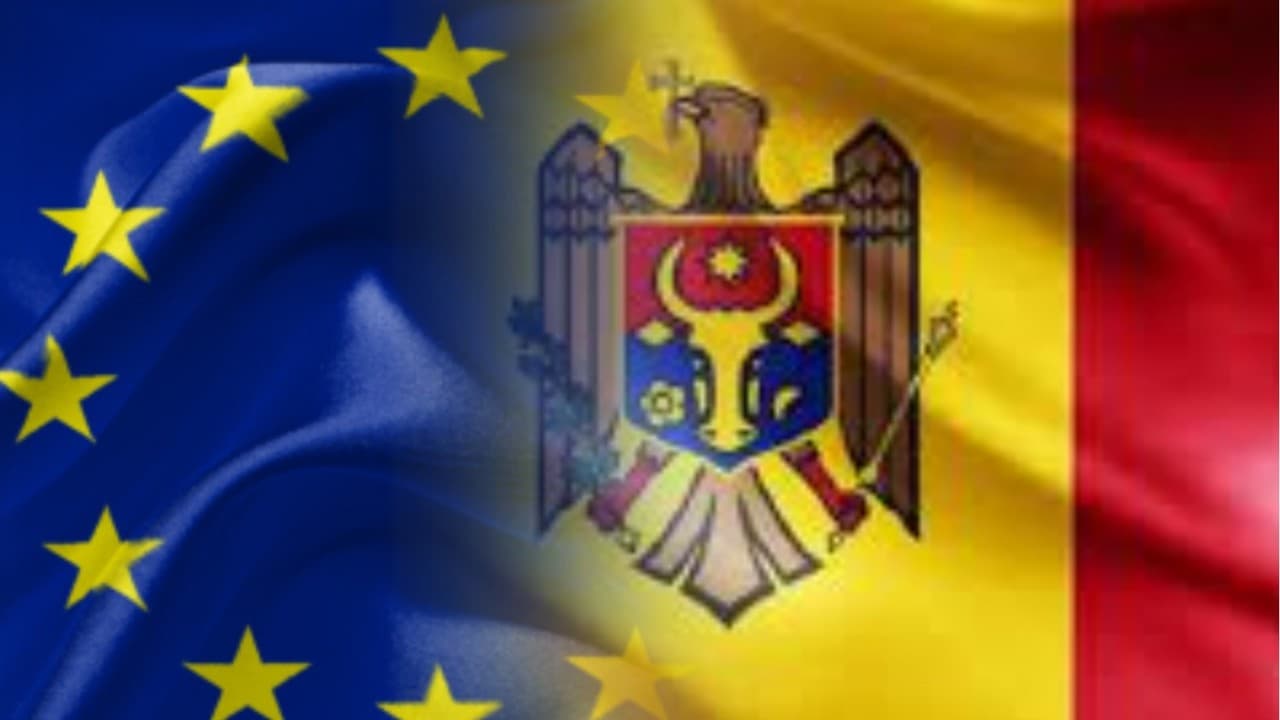
Simulating the Economic Impact of a Visa-Free Travel Regime between Moldova and the EU
Authors
Automatically translated summary. The full text is available in Romanian.
In December 2010, Moldova and the EU signed the Action Plan on Visa Liberalisation, an important step towards European integration. This paper uses a general equilibrium model to simulate the economic impact of a visa-free regime, going beyond short-term travel to the likelihood that many Moldovans would migrate for work.
The general equilibrium effects confirm the expected rise in consumption driven by higher remittances. Surprisingly, however, this does not lead to GDP growth. The paper presents simulation results on the potential evolution of the exchange rate, wages, exports, imports and output across different sectors of the economy.
The key conclusion is that higher remittances combined with a smaller labour force could undermine the country's international competitiveness. A short-sighted government interested only in collecting budget revenue by taxing consumption may welcome higher remittances. Yet this runs against the stated aim of changing the current consumption-based growth model to one based on investment, innovation and exports.
Recent publications from European integration
See all
Position Paper. The Involution of the Budget Process in the Republic of Moldova

Position Paper on Options for Improving Postal Voting after the Parliamentary Elections of 28 September 2025
Policy Brief | European Labour Market Norms and Regulations: Contextual Aspects for the Republic of Moldova